



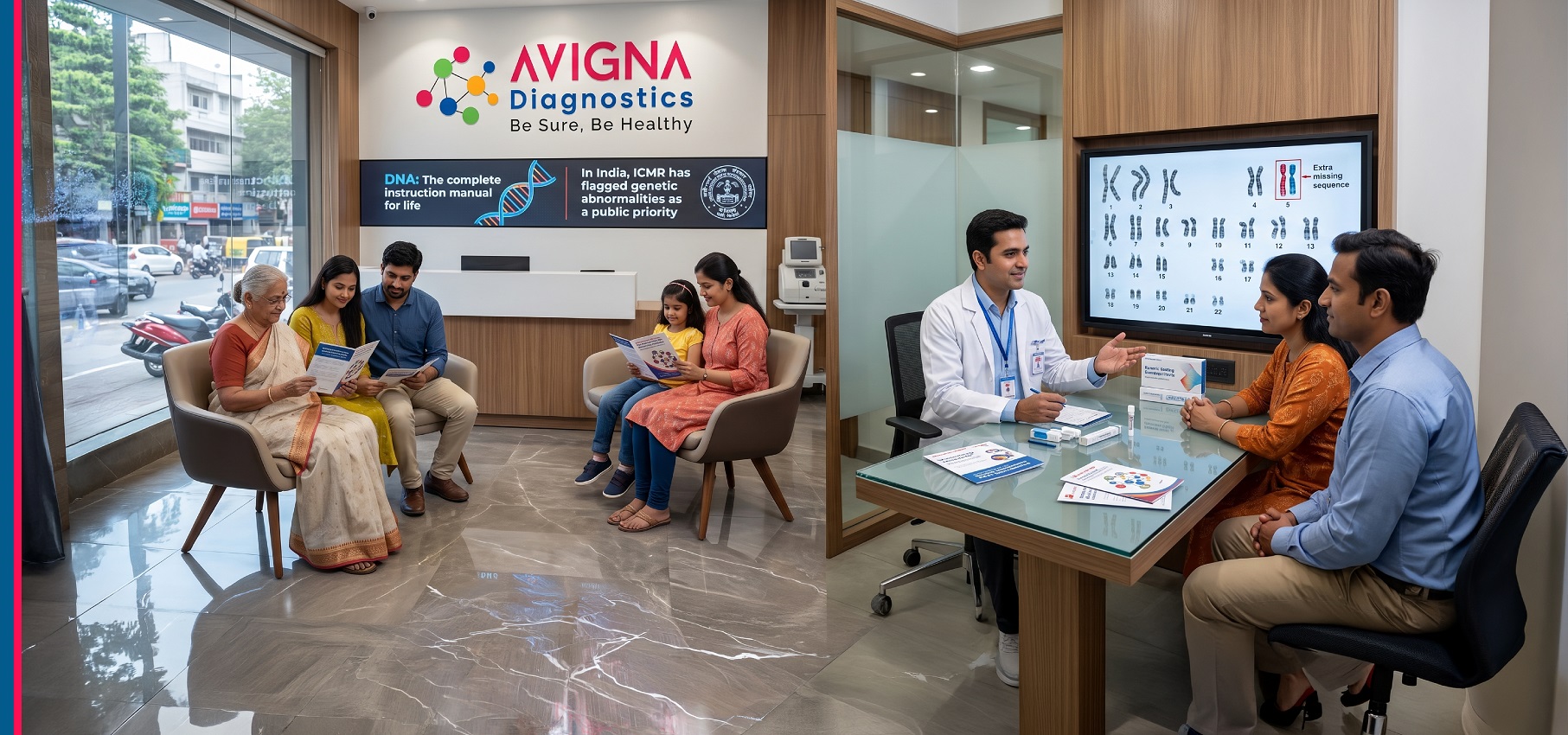
Understanding Genetic Disorders: From Chromosomal Errors to Gene Mutations
Every cell in the human body carries a complete instruction manual for life; this is your DNA (deoxyribonucleic acid). DNA is organised into structures called chromosomes, and within them lie thousands of smaller units called genes. Any disruption to this arrangement, a DNA abnormality, a missing sequence, an extra chromosome forms the biological basis of a genetic disease. In India, the Indian Council of Medical Research (ICMR) has flagged genetic abnormalities as a growing public health priority.
Understanding your genetic health begins with family history. Many hereditary disorders are passed down through generations via inherited conditions encoded in parental DNA. Others arise spontaneously, with no prior family pattern. Landmark research through the Human Genome Project has helped scientists map these genetic abnormalities with greater precision, improving how we identify, diagnose, and eventually manage hereditary disorders bringing clarity to patients and families navigating these conditions.
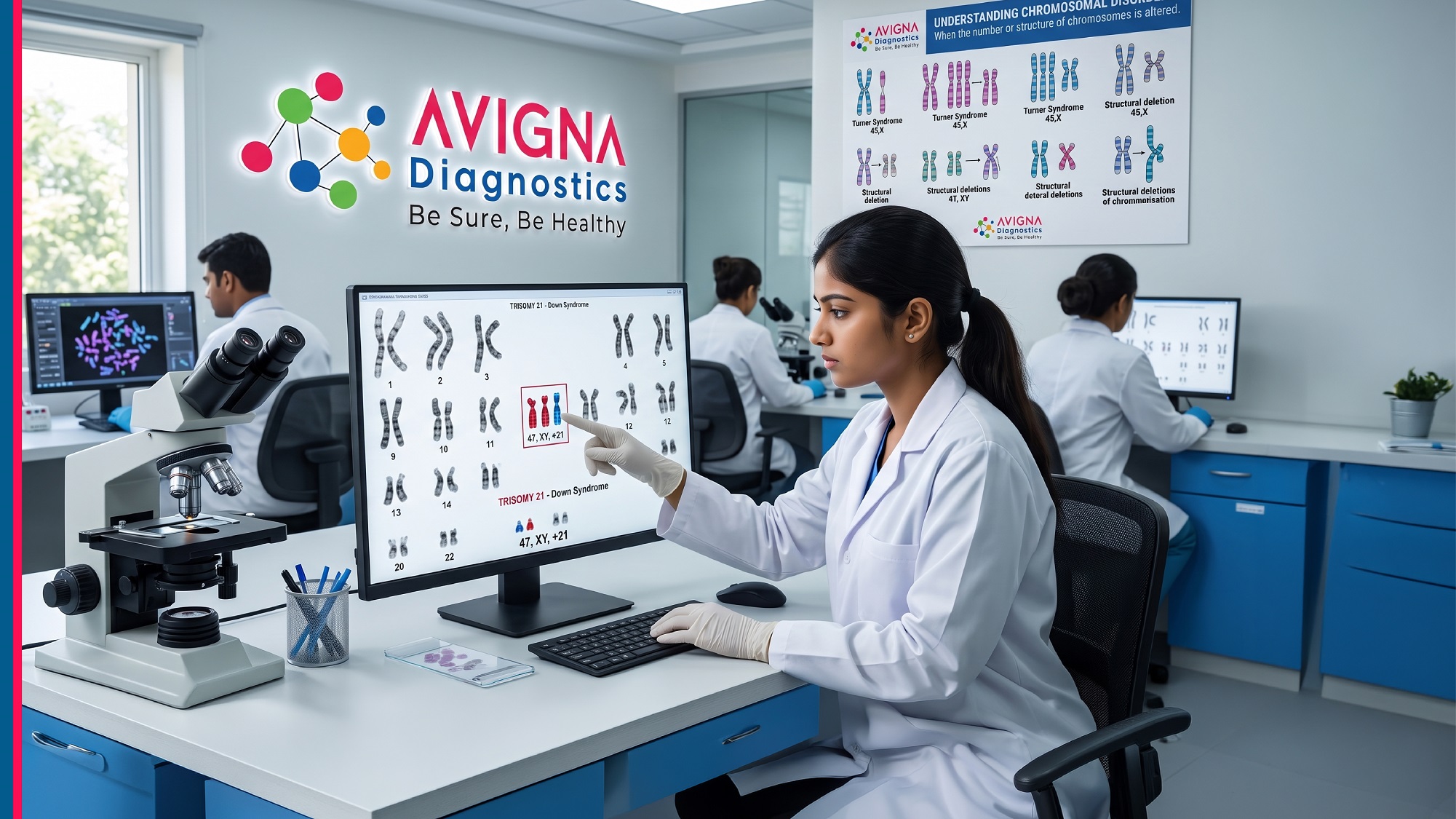
Understanding DNA, Genes and Chromosomes
Understanding DNA, Genes and Chromosomes
DNA is your body’s instruction manual, organised into chromosomes and broken into units called genes. Any error in this system, a DNA abnormality or inherited condition forms the basis of a genetic disease affecting your genetic health.
What Is a Chromosomal Disorder?
A chromosomal disorder occurs when there is an error in the number or structure of chromosomes inside a cell. Humans typically have 46 chromosomes but sometimes an extra chromosome is present, a chromosome is missing entirely, or part of one is structurally rearranged. These chromosomal changes disrupt growth, organ development, and cognitive function at the most fundamental level.
Chromosome abnormalities fall into two types. Number-based errors produce genetic syndromes such as Down Syndrome (extra chromosome 21), Klinefelter Syndrome (extra X chromosome in males), and Turner Syndrome (missing X chromosome in females). Structural errors involve deletions or duplications within a chromosome itself. Both types can lead to developmental disorders that affect a child’s physical and intellectual growth. According to the World Health Organization (WHO), chromosome abnormalities account for a significant proportion of birth defects globally. Crucially, most chromosomal changes occur spontaneously during cell division making the chromosomal disorder definition broader than many expect, extending well beyond inherited family patterns.
Gene Mutation Explained: What Happens When a Gene Changes?
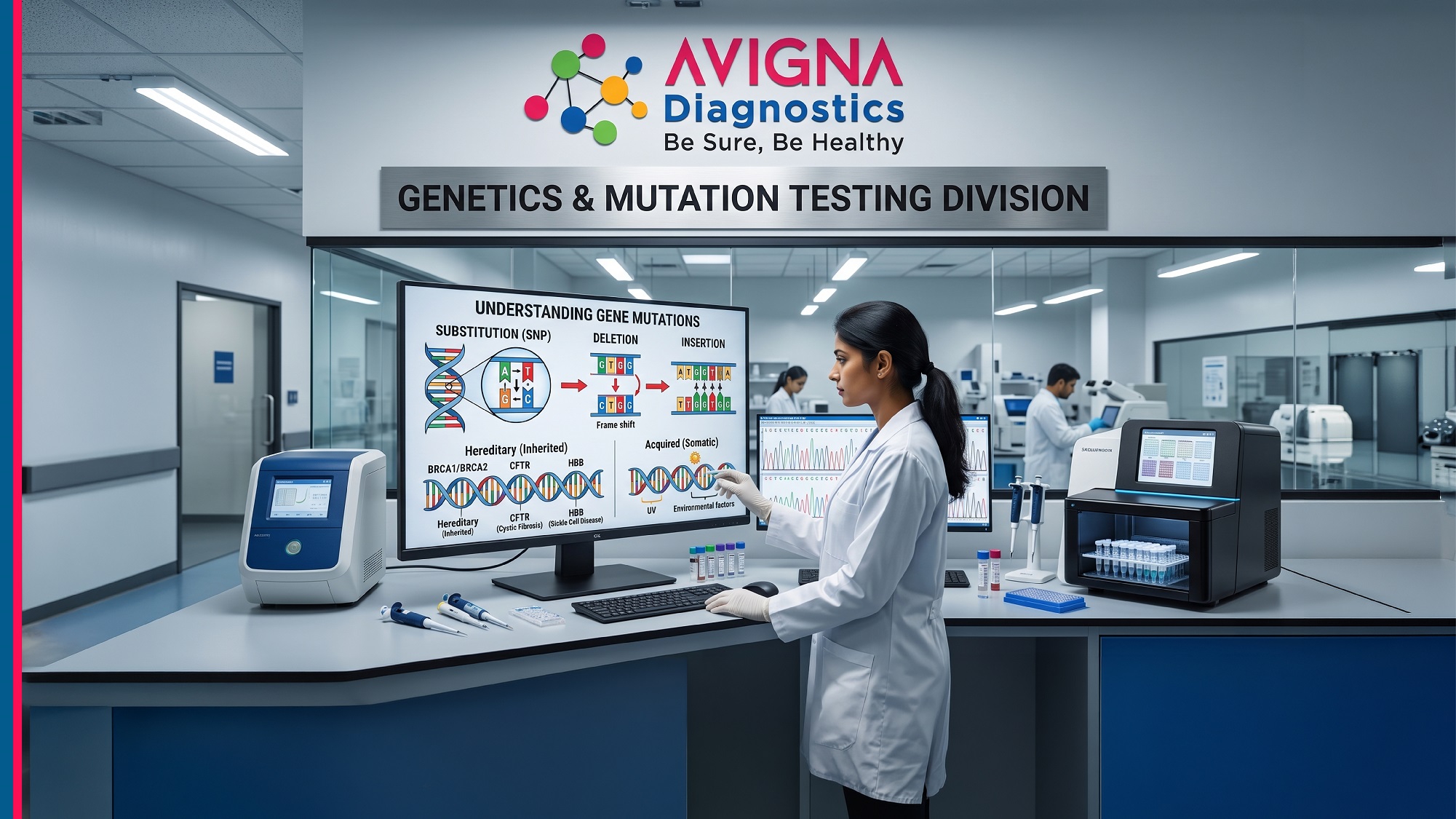
A gene mutation occurs when the DNA sequence within a gene is altered, a single letter changed, a section deleted, or an extra piece inserted. These genetic changes may seem minor, but even a small DNA mutation can disrupt how a gene functions, producing a faulty gene that gives the body incorrect instructions.
Mutations are classified by type insertion (extra DNA added), deletion (a section removed), or substitution (one DNA letter swapped for another) and by origin. Inherited mutations are passed from parent to child, as seen in BRCA1 and BRCA2 gene mutations linked to hereditary breast cancer, or the faulty genes behind Cystic Fibrosis and Sickle Cell Disease. Acquired mutations develop during a person’s lifetime through environmental exposure or random cell division errors.
Not every genetic variation causes disease but when an altered gene disrupts a critical biological function, mutation testing becomes an essential diagnostic tool for early intervention.
Chromosomal Disorders vs Gene Mutations: Key Differences (Comparison Table)
Chromosomal Disorders vs Gene Mutations: Key Differences
Understanding the difference between a chromosomal disorder and a gene mutation helps patients make informed decisions about genetic diagnosis and next steps.
| Chromosomal Disorder | Gene Mutation | |
| Cause | Extra, missing, or structurally altered chromosome | Change in DNA sequence of a single gene |
| Example | Down Syndrome | Huntington’s Disease |
| Inheritance Pattern | Often spontaneous; some inherited | Inherited or acquired |
| Diagnosis | Chromosomal screening, karyotyping | DNA testing, genetic screening |
| Treatment Approach | Supportive care | Varies by condition |
Both ICMR and the National Institute of Biomedical Genomics recommend genetic counselling when a chromosome defect or inherited disease is suspected — particularly during pregnancy planning or following a concerning family history. Whether the concern is a chromosomal disorder or gene mutation, early genetic diagnosis leads to better-informed, timely care.
FAQ:
What is the difference between a genetic disorder and a chromosomal disorder?
A genetic disorder stems from a faulty gene or DNA mutation, while a chromosomal disorder involves structural or numerical chromosome abnormalities. Both are inherited conditions, but chromosomal abnormalities affect entire chromosomes rather than individual genes.
What is a gene mutation, and does it always cause disease?
A gene mutation is an alteration in the DNA sequence. Not every genetic variation causes disease; many mutations are harmless. Only disease-causing mutations that disrupt critical gene expression typically require mutation testing or medical intervention.
Can genetic disorders be detected before birth in India?
Yes. Prenatal genetic testing options in India include amniocentesis, chorionic villus sampling, and NIPT. These prenatal screening methods analyse fetal DNA, enabling early diagnosis and genetic counselling during pregnancy.
How much does genetic testing cost in India?
Genetic testing costs in India vary depending on the type of hereditary disease testing required. Basic genetic health screening differs significantly from comprehensive genomic testing or molecular diagnostics. A clinical genetics specialist or diagnostic laboratory can recommend the most appropriate and affordable genetic testing based on individual needs.
Related Keywords:
Genetic, Genetic Disorders




Comments by admin